

In Nigeria, few debates stir as much emotion as this one:
Should you build your own house or keep renting?
While culturally speaking owning a house is a thing of prestige and For many, owning a home represents arrival, stability, pride, and legacy. For others, it is a trap that ties up capital that could have multiplied elsewhere.
In an economy where the average mortgage is a fallacy, inflation keeps growing, standard of living is not something to talk about and building costs rise faster than savings rates, the question goes beyond culture as it is more an economic one and finding the balance.
In this article I’ll break down the financial logic behind building or renting and help you decide what makes the most sense for your stage of life.
What It Takes to Build a House in Nigeria
A modest 3-bedroom bungalow in a semi-urban area might cost between ₦25 million to ₦50 million (land + construction).
In major cities like Lagos or Abuja, the same project can easily hit ₦80 million to ₦300 million, depending on location and finishing.
Compare that with rent: a decent 2–3 bedroom apartment in Lagos mainland might go for ₦2–₦3.5 million per year, while the same in Abuja could hover around ₦2–₦4.5 million.
Looking at it, it seems better to own, because why keep “wasting” ₦3 million annually on rent?
But here’s a question i want you to consider: What is the opportunity cost of that ownership?
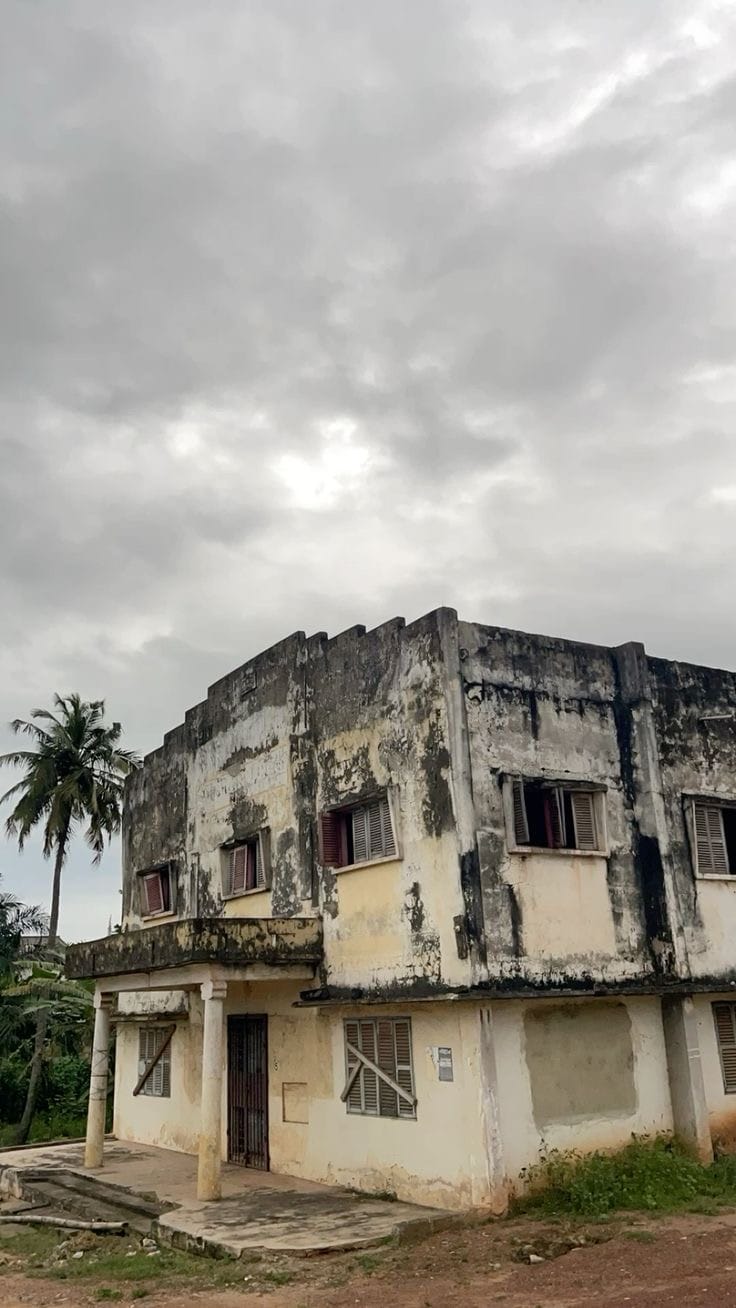
Building Feels Safe, But It Locks Up Your Capital
When you pour ₦50 million into building your home, you gain emotional stability, but lose liquidity or have a reduced financial flexibility.
As that capital becomes illiquid because obviously it’s trapped in concrete. And to note you can’t easily sell a few walls when an opportunity arises.
Meanwhile, that same ₦50 million, if invested in:
- A diversified investment portfolio yielding 12–25% annually, or
- Real estate for rental income, or
- A solid SME or venture play
…could generate ₦6–₦10 million per year, enough to cover your rent and still grow your wealth consistently.
So from a purely financial perspective, building your own house is often a consumption asset, not an investment, unless the land itself appreciates faster than inflation.
Renting Feels Risky, But It Buys You Freedom
Renting in Nigeria has a bad reputation, mostly because of:
- Landlord stress
- One- or two-year advance payment requirements
- Poor maintenance culture
- Lack of security or control
But for mobile professionals, business owners, or anyone in early wealth-building mode, renting offers flexibility as it offers the following:
- You can live closer to work or opportunity centers
- Relocate easily without sunk costs
- Preserve liquidity to invest in assets that produce cashflow
In this type of volatile economy, cashflow is much more a priority over ownership.
Owning a house gives peace of mind, renting gives optionality.
And to note that which matters more depends on your life stage.
The Hidden Costs of Building in Nigeria
Beyond the romantic idea of “my own house 😂,” the true costs often pile up:
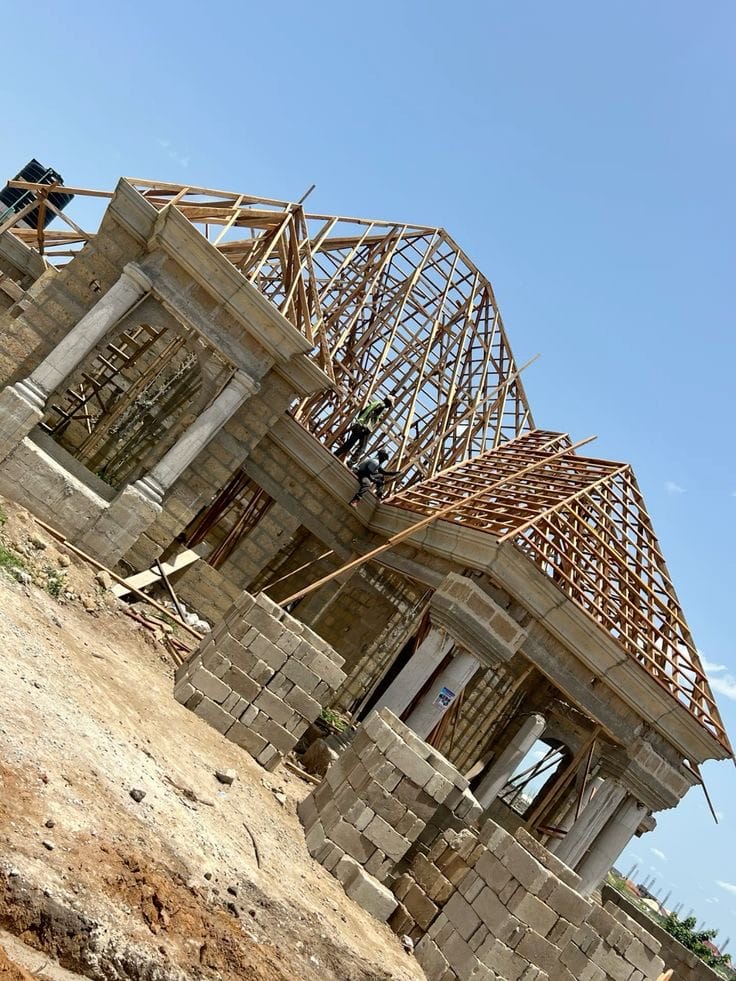
Land verification & documentation: ₦1–₦5 million or more, depending on title (C of O, excision, etc.)
- Rising material costs: Cement prices have more than tripled in five years.
- Security & supervision: Building remotely invites theft and project mismanagement.
- Finishing costs: Often exceed your original budget by 30–50%.
- Maintenance & utilities: Once you move in, you’re fully responsible, from borehole repairs to generator fuel.
So it is feasible to say that “₦50 million house” can easily morph into ₦70–₦80 million before you even realize it.
Separate Where You Live, From Where You Invest
Here’s an agency rule I discovered and you can leverage:
“Don’t invest where you live, and don’t live where you invest.”
Rent strategically in high-opportunity zones (e.g., Lekki, Ikoyi, Wuse 2), while investing in high-yield, growth corridors (e.g., Ibeju-Lekki, Ibadan outskirts, or Abuja satellite towns).
That way, your money works in one growing area while you live in another.
Owning the home you live in can come later, ideally when your investments can comfortably pay for it.
When It Actually Makes Sense to Build
So I’m not against you building your own house and despite the math, there are cases where building is the smarter move:
- You’re close to retirement and want to eliminate rent expenses.
- You already have stable cashflow (e.g., business income, rental properties, dividends).
- You live in a city you plan to stay in long-term.
- Land value is rising rapidly, and owning early locks in appreciation.
In these cases, your house becomes a stability asset, not a strain.
Build Gradually, Fund Smartly
You don’t have to choose between building all at once or renting forever.
Nigeria’s most practical model is phased building: buy land early, develop in stages, and rent where you live while you complete construction.
This lets you:
- Hedge against rising land prices
- Spread costs over time
- Maintain flexibility while securing long-term roots
In this phase, it is advisable you add discipline to your practice, by funding each stage from designated investment returns, not your entire capital base.
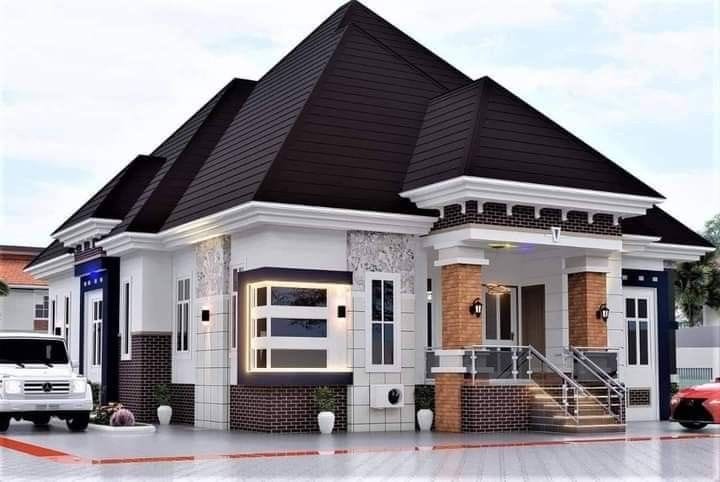
Psychologically, there’s an emotional dividend to homeownership in Nigeria that can’t be quantified.
The sense of safety, no rent reminders, no eviction threats, no landlord interference, is priceless to many.
But so is the mental freedom of knowing your money isn’t trapped in walls.
Ultimately, it’s not just about math, it’s about meaning:
Do you want control now, or freedom later?
Conclusion
In Nigeria, owning a home is a milestone. But in finance, timing is everything.
Renting smart and investing early often leads to ownership later, without the strain.
Building too soon might give peace of mind today but cost growth tomorrow.
The real goal is not to own a house quickly.
It’s to own one comfortably, without sacrificing the financial future that could have paid for ten more.


